
The NESC®
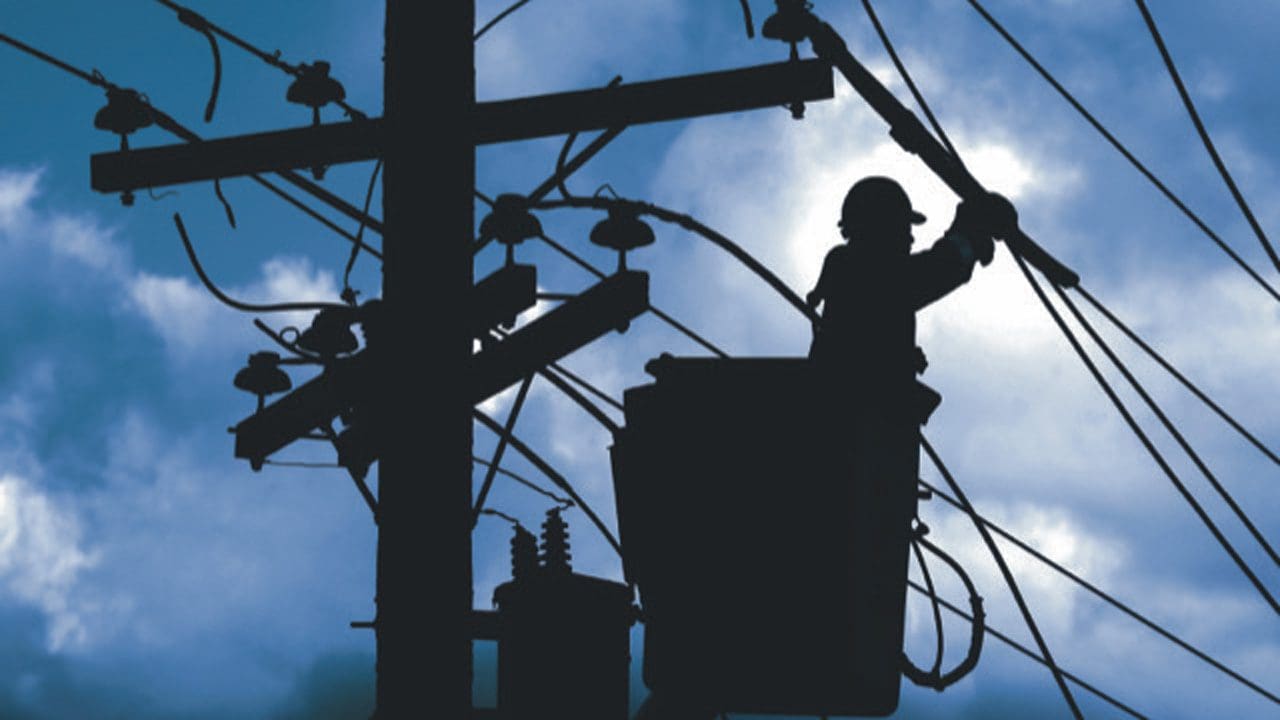
Published exclusively by IEEE and updated every five years to keep the Code up-to-date with changes in the industry and technology, the National Electrical Safety Code® (NESC®) sets the ground rules and guidelines for practical safeguarding of utility workers and the public during the installation, operation, and maintenance of electric supply, communication lines and associated equipment.
As the definitive safety standard for more than a century, the National Electrical Safety Code continues to be the go-to resource for utility companies of all sizes and ownership structures. With the latest edition, the NESC 2023 offers the industry with the latest guidelines and best practices to help ensure the safety of utility, communications and the general public.